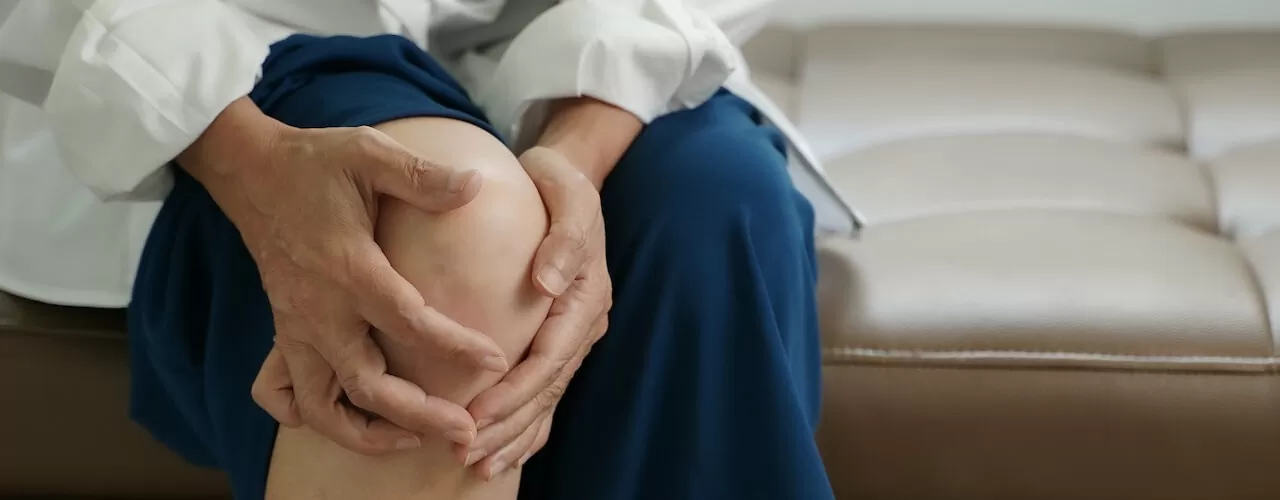
Are you or a loved one suffering from osteoarthritis? You’re not alone. Osteoarthritis affects millions worldwide, with approximately 35 million Americans alone affected by this condition.
Osteoarthritis, commonly known as OA, is a degenerative joint disease that can cause pain, stiffness, and decreased mobility in affected joints. Fortunately, physical therapy offers effective solutions for managing and slowing the progression of OA.
Ready to get started with physical therapy for osteoarthritis? Call our team at The Training Room in New Jersey today to learn more!
Understanding Osteoarthritis: Unveiling Symptoms and Causes
Osteoarthritis is a chronic condition characterized by the breakdown of cartilage in the joints, leading to pain, swelling, and stiffness. Osteoarthritis (OA) manifests through various symptoms and can stem from multiple causes. Recognizing these signs and understanding the underlying factors is essential for proactive management.
Symptoms of Osteoarthritis
Joint Pain
- The hallmark symptom of OA is joint pain, often described as a dull ache or soreness. This pain typically worsens with activity and improves with rest but can become persistent as the condition progresses.
Stiffness
- Individuals with OA often experience stiffness in affected joints, especially after periods of inactivity or waking in the morning. This stiffness can hinder movement and flexibility.
Decreased Range of Motion
- OA can lead to a decreased range of motion in affected joints, making it challenging to perform everyday tasks such as bending, reaching, or walking comfortably.
Swelling
- Inflammation of the joint is common in OA and can result in swelling or tenderness around the affected area. Swelling may come and go, depending on your activity level and the severity of the condition.
Joint Instability
- As OA progresses, joints may become unstable, leading to feelings of weakness or a sensation of the joint giving way, particularly during weight-bearing activities.
Causes of Osteoarthritis
Age
- OA is more prevalent among older adults, with age-related joint structure and function changes contributing to its development. Over time, wear and tear on joints can lead to cartilage breakdown and OA symptoms.
Genetics
- Family history and genetic predisposition play a role in the development of OA. Certain genetic factors may increase an individual’s susceptibility to joint degeneration and OA.
Obesity
- Excess weight places added stress on the joints, particularly weight-bearing joints such as the knees, hips, and spine. Obesity is a significant risk factor for OA, as it accelerates joint degeneration and contributes to inflammation.
Joint Injury or Overuse
- Previous joint injuries, such as fractures or ligament tears, can predispose individuals to OA, as can repetitive stress or overuse of joints due to occupation, sports activities, or other factors.
Joint Misalignment
- Abnormal joint alignment or structural abnormalities can increase the risk of OA by altering the distribution of weight and stress within the joint, leading to accelerated cartilage wear and joint degeneration.
Discover Relief: How Physical Therapy Targets Osteoarthritis Pain
Physical therapy offers a multifaceted approach to managing osteoarthritis (OA) pain and improving joint function. Through personalized treatment plans, individuals can experience relief from symptoms and enhance their quality of life.
Physical Therapy Treatment Methods
Therapeutic Exercises
- Physical therapists design exercise programs tailored to each individual’s needs and abilities. These exercises help strengthen the muscles surrounding the affected joints, improve flexibility, and enhance overall joint stability. Examples include range-of-motion exercises, stretching, and low-impact aerobic activities like walking or swimming.
Manual Therapy
- Manual therapy techniques, such as joint mobilization and manipulation, help improve joint mobility, reduce stiffness, and alleviate pain. Applying hands-on pressure and manipulation to affected joints and soft tissues can restore joint mechanics and help alleviate discomfort.
Assistive Devices
- Physical therapists may recommend using assistive devices or orthotic supports to alleviate stress on affected joints and improve mobility. Assistive devices may include braces, splints, shoe inserts, or walking aids like canes or walkers, which help redistribute weight and reduce joint strain during activities of daily living.
Education and Lifestyle Modification
- Education plays a crucial role in OA management. Physical therapists provide valuable information on joint protection techniques, ergonomic principles, and lifestyle modifications to minimize pain and prevent further joint damage. This may involve guidance on proper body mechanics, weight management strategies, and activity modification to optimize joint health.
Activity Modification
- Physical therapists work with individuals to modify activities that exacerbate OA symptoms. By teaching proper body mechanics and recommending alternative movements or exercises, therapists help patients maintain an active lifestyle while minimizing joint stress and discomfort.
By combining these treatment methods, physical therapy can effectively reduce pain, improve joint function, and enhance the overall quality of life for individuals living with osteoarthritis.
Take Control of Your Osteoarthritis Pain
Don’t let osteoarthritis hold you back from living your life to the fullest. If you’re experiencing symptoms of osteoarthritis, such as joint pain, stiffness, or swelling, seeking physical therapy can help you find relief and regain control of your health. Our experienced team of physical therapists is here to guide you every step of the way, providing personalized treatment plans tailored to your unique needs and goals.
Call our team at The Training Room in New Jersey today to learn more about osteoarthritis pain management and discover if physical therapy is right for you. Take the first step towards a pain-free, active lifestyle!